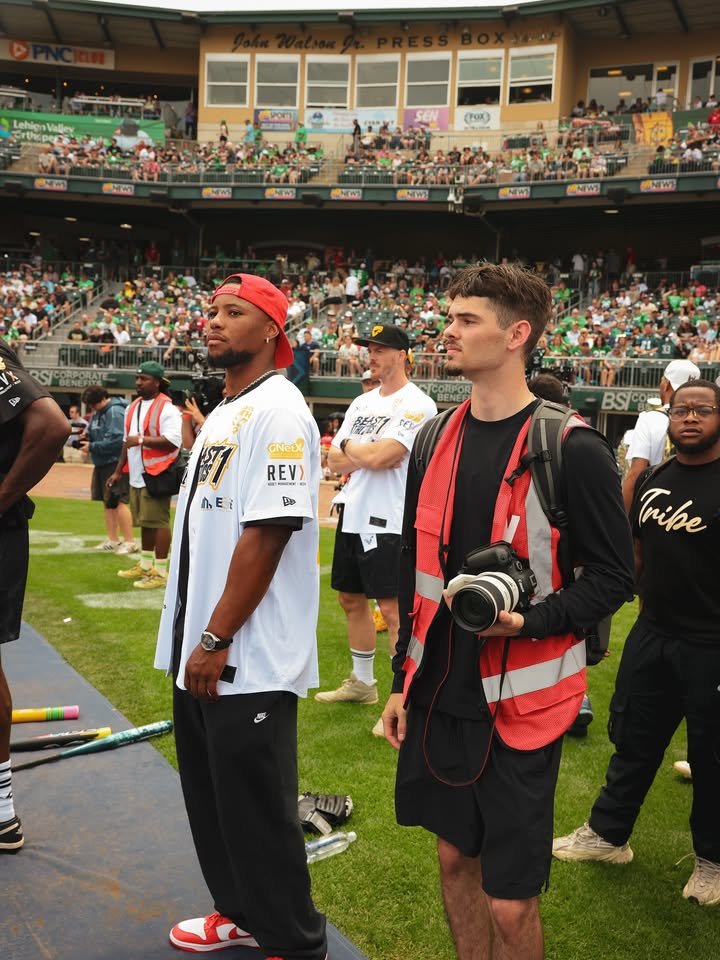
You feel it the first time you lift a professional DSLR lens. The weight is not subtle. It sits in your hands like a promise and a warning at the same time, because this is not a piece of gear designed for casual weekends. It is built for the moments you only get once, the kind that hit and disappear before most people even realize they happened. When someone asks why DSLR lenses are so expensive, the easy answer is materials, engineering, and brand. The real answer is found on the sideline, in the bleachers, behind the curtain at an event, where light is ugly, movement is fast, and the story keeps unfolding whether your gear is ready or not.
In Cleveland, where sports culture runs deep and the weather can shift mid-game, I have learned that a lens is not an accessory. It is your ability to translate chaos into something sharp, honest, and cinematic. When an athlete explodes off the line, when a coach’s face tightens before the final play, when the crowd rises as one body, you are not photographing motion. You are photographing pressure. That is where lens quality stops being a spec sheet conversation and becomes the difference between a photo that feels alive and a photo that feels like you were late to the moment.
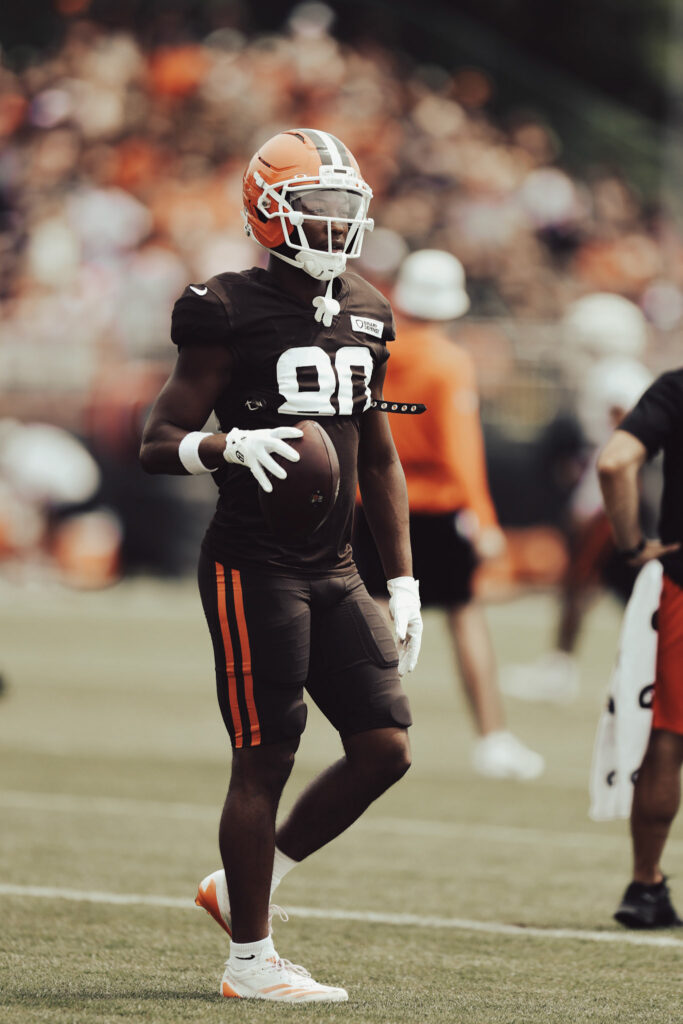
Professional DSLR lenses are built for moments that do not repeat
Sports and events are unforgiving environments for a camera. There is no pause button. No second take. The only thing you control is whether your gear keeps up when the pace turns brutal. This is one of the first real reasons why DSLR lenses are so expensive. They are designed for reliability when conditions are stacked against you, whether that means flickering stadium lights, uneven gym lighting that shifts across the court, or the kind of late-afternoon sun that creates harsh shadows and forces your camera to work harder to hold detail. A consumer lens can feel fine until the moment gets serious, and then it starts showing you its limits with missed focus, soft edges, and hesitation that costs you the shot.
When I am photographing football, the field does not care if your lens is hunting. When I am photographing a major moment, a player breaking free, a receiver twisting midair, a defender reaching with everything he has, the frame is there for a fraction of a second and then it is gone. That is why lenses built for professional work prioritize speed and consistency. If you want to see what that kind of pressure looks like in real life, look through the Cleveland Browns Training Camp coverage and pay attention to how often the action is moving straight toward the camera. That is not an accident. That is what professional lenses are made for.
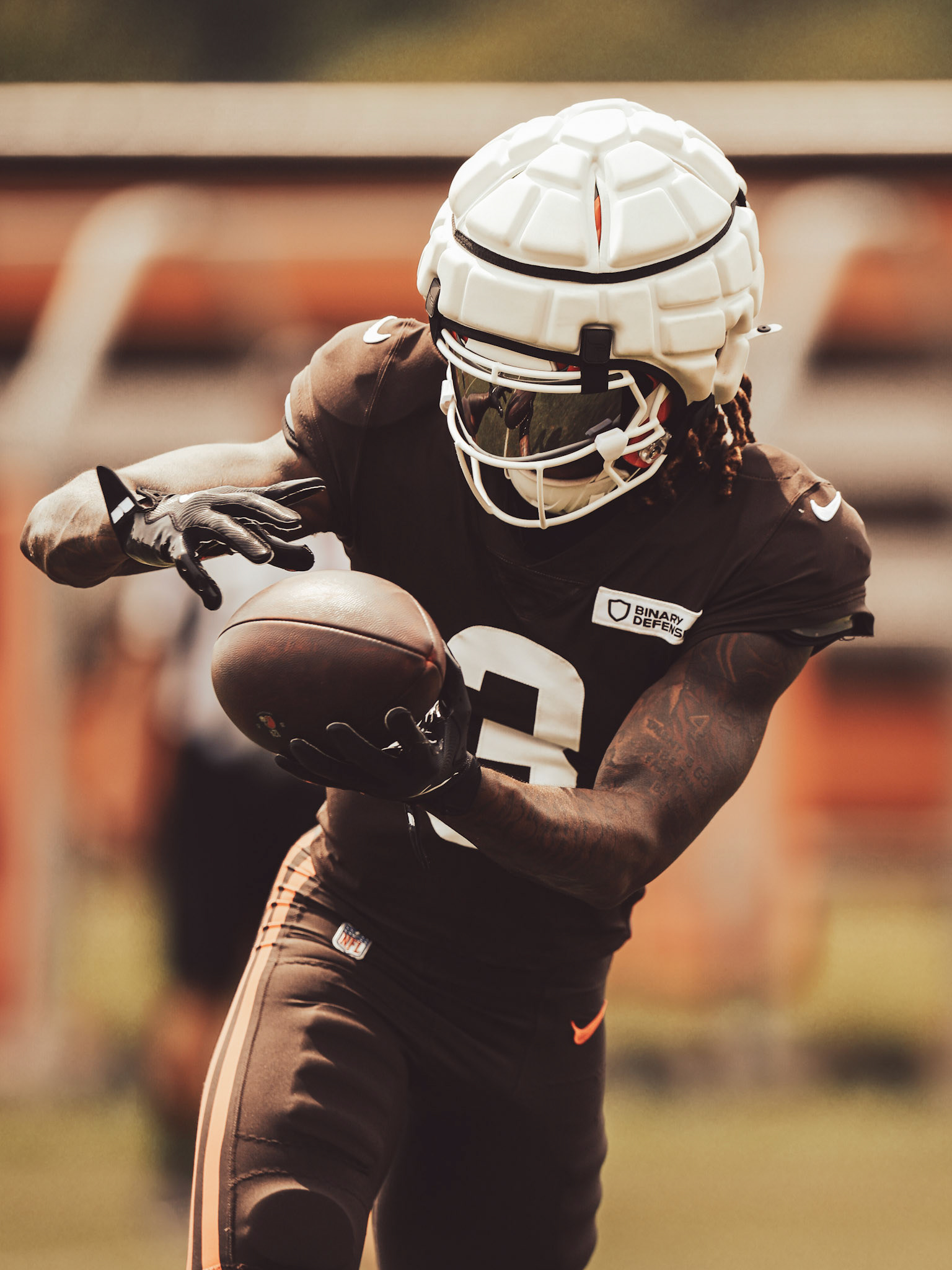
Glass quality is not hype, it is the foundation of clarity
One of the biggest misunderstandings in photography is thinking all lenses are mostly the same and the camera body does the “real” work. In practice, the lens is the gatekeeper of detail, contrast, and tone. The glass is not just glass. Professional lenses use advanced optical elements, specialized coatings, and precise alignment to control how light enters and moves through the lens before it even touches the sensor. That is a major part of why DSLR lenses are so expensive. The goal is not simply to create a sharp image in perfect light. The goal is to create a sharp image when the light is ugly, when highlights are harsh, when shadows are heavy, and when motion is pushing your settings to the edge.
Cheap lenses can look acceptable until you start demanding more from them. The moment you need crisp faces in low light, the moment you want a clean separation between subject and background, the moment you crop in tight on an expression, the flaws become obvious. You start seeing softness where you wanted intensity. You start losing contrast when you need depth. You start fighting flare during events where bright lights or stage lighting are part of the atmosphere. High-end lenses are built to keep contrast strong and color rendering consistent, so skin tones do not fall apart and uniforms do not turn into muddy blocks of color.
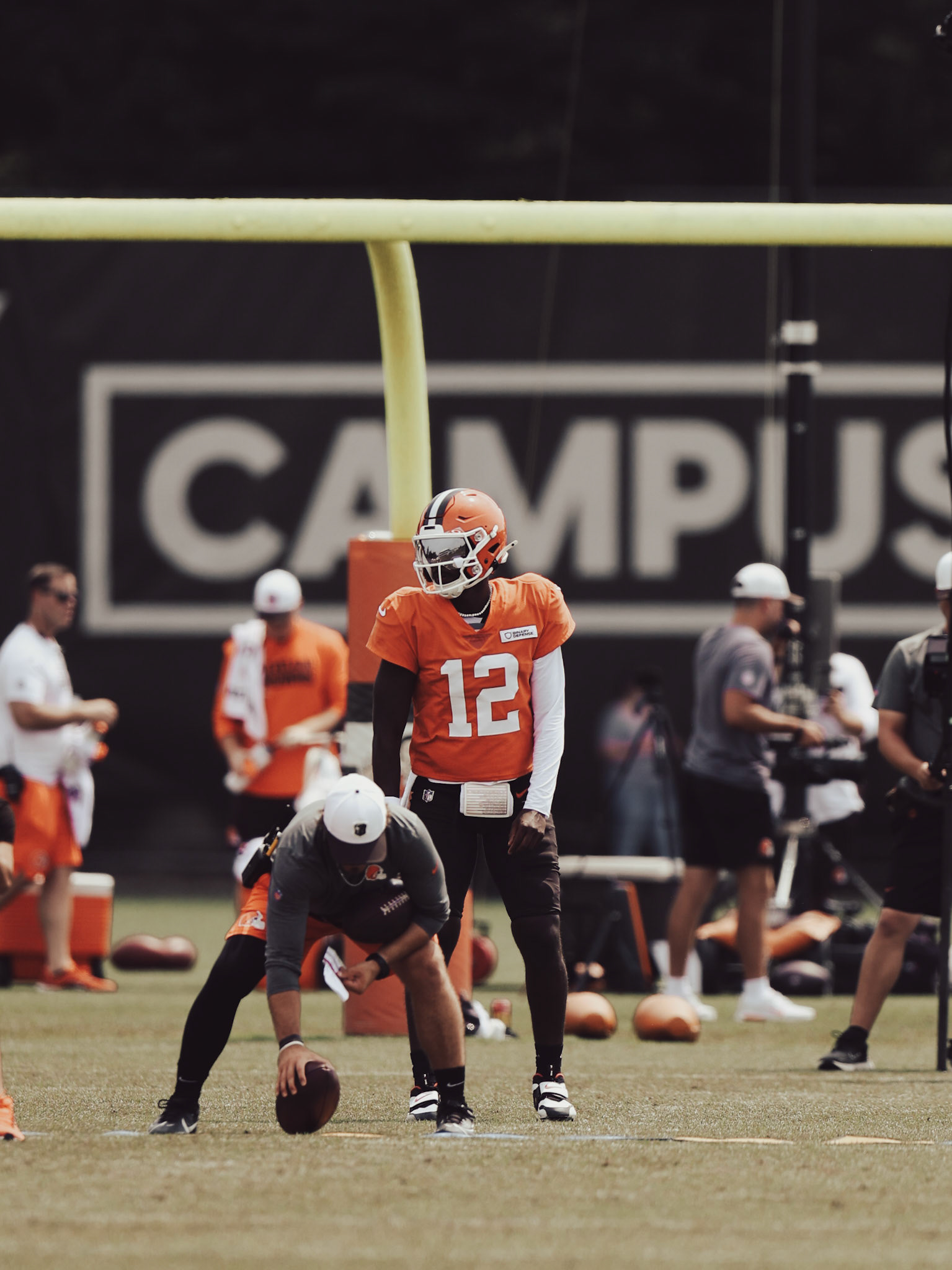
Autofocus performance is expensive because it is engineered for speed
People love to talk about megapixels, but in sports photography, autofocus is the quiet power that decides whether your image is usable or trash. Professional DSLR lenses contain complex focusing systems designed to communicate constantly with the camera body, and they are built to react quickly without losing accuracy. This is not just a motor moving glass back and forth. It is a system tuned for tracking unpredictable movement, which is exactly why professionals keep paying for it and exactly why DSLR lenses carry higher price tags. When you watch an athlete change direction at full speed, the lens has to adjust instantly and stay locked on the subject through the motion. That ability is not cheap to build, and it is not easy to maintain across years of use.
Autofocus also has to be consistent across thousands of frames. If it performs well once and struggles the next time, it becomes a liability. That is the part a lot of people miss when they ask about price. They think “sharp enough” is a one-time trait. In professional work, sharp enough has to be repeatable. It has to happen on demand, even when you are shooting at wider apertures in low light, even when the subject is moving toward you, even when the background is distracting and the camera wants to grab the wrong thing. This is why so many photographers who cover real action invest in the lens first, because the lens is the part of the system doing the heavy lifting when it comes to tracking a subject under pressure.
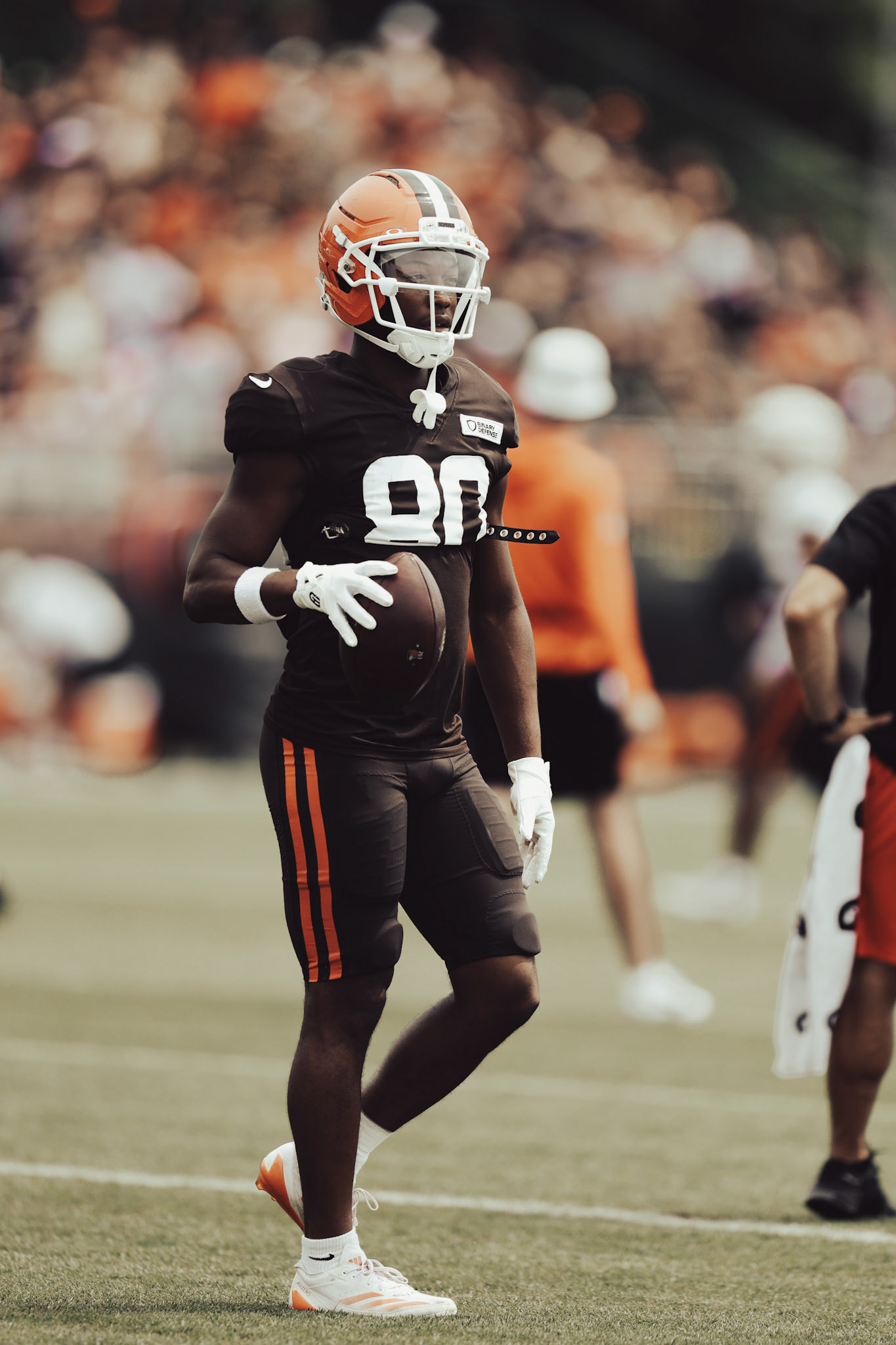
Durability is not glamorous, but it keeps you working
Professional DSLR lenses are built to survive. That sounds simple until you realize what photography does to gear over time. Rain is not theoretical. Snow is not an occasional inconvenience. Dust, sweat, packed sidelines, cramped venues, sudden bumps, long hours, and constant handling all add up. Higher-end lenses use stronger internal construction, more reliable mounts, tighter tolerances, and better sealing to prevent moisture and debris from getting inside the lens. This is a practical reason why DSLR lenses are so expensive. You are paying for equipment that is engineered to keep functioning after years of hard use, not just equipment that works when everything is comfortable.
Durability matters because the real cost of a cheap lens is not just the money you spent. It is the moments it costs you when it fails, and the time you waste fighting gear instead of focusing on the story. When you are shooting an event and the light changes every time the speaker turns, you cannot afford a lens that shifts performance as it warms up or loses consistency as the night goes on. When you are shooting outside and the weather changes quickly, you cannot afford a lens that fogs internally or starts glitching because it was never meant to be used in rough conditions. Professional lenses are built for the reality of work, not the fantasy of perfect shooting scenarios.
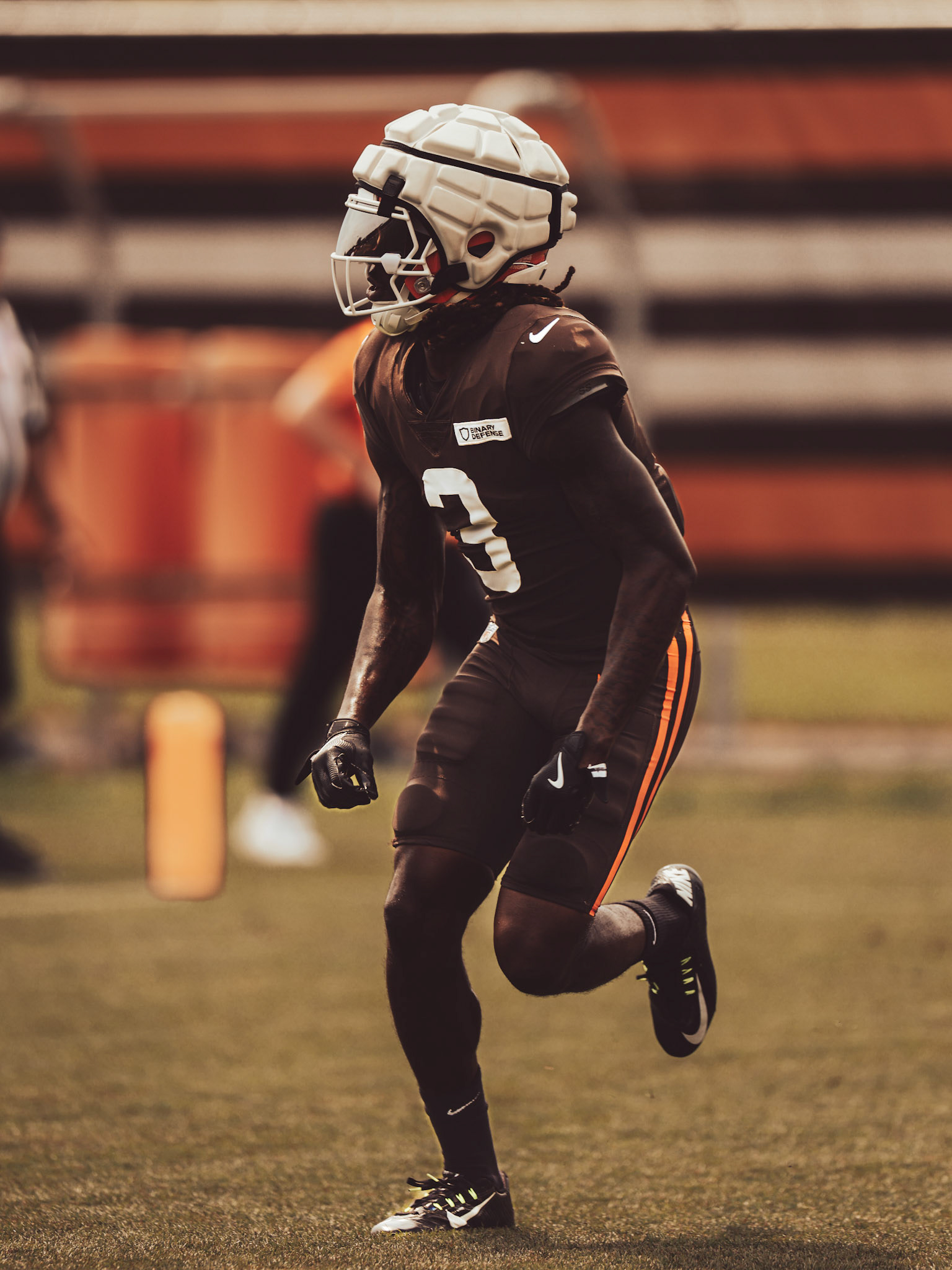
Consistency across thousands of frames is part of the price tag
There is a kind of pressure in professional photography that has nothing to do with the crowd and everything to do with delivery. Clients do not need one good photo. They need a full set of images that feel cohesive, sharp, and intentional. That is where expensive lenses justify themselves in a way that is hard to explain until you live it. High-end lenses are manufactured with stricter quality control, more precise calibration, and higher standards for performance consistency. This is a deep reason why DSLR lenses are so expensive, because consistency is expensive to produce. It requires better materials, tighter tolerances, and more rigorous testing.
When you shoot an entire game, you are not taking ten photos. You are taking hundreds or thousands. The lens has to hold sharpness, contrast, and autofocus accuracy from the first whistle to the last. If it drifts, if it becomes inconsistent, you pay for it later in editing time, frustration, and lost confidence in your own work. Consistency is also what separates a professional portfolio from a random collection of lucky frames. If you want to see how consistency shows up in real coverage, look through the Darius Garland Celebrity Softball Game set and notice how the images hold together even though the environment and movement change constantly. That is the difference between a lens that keeps up and a lens that collapses under real-world demands.
The long-term value is why professionals keep buying them
It is easy to look at lens prices and feel like the industry is playing a game, but the truth is more grounded. The expensive lens is often the cheaper decision over time, because it holds value and it keeps producing results for years. Many photographers cycle through camera bodies, but they keep their lenses. They build a kit that becomes an extension of their eye because the lens is the part that shapes the image most. When you invest in quality glass, you invest in reliability, and reliability becomes your advantage when you walk into any environment and know you can deliver.
There is also a confidence that comes with using gear that does not fight you. When your lens performs, you start paying attention to deeper things, timing, emotion, atmosphere, and the small moments that sit between the big ones. You start building images that feel cinematic instead of accidental. That matters in sports, but it matters in portraits and events too.
What it really means when someone asks why DSLR lenses are so expensive
When people ask why DSLR lenses are so expensive, they are usually asking whether the difference is real. It is real. It shows up in autofocus speed when the play breaks open. It shows up in sharpness when the light is rough and you still need faces to look crisp. It shows up in durability when you are working in weather and tight spaces and you cannot risk failure. It shows up in consistency when you deliver a full set of images that feels cohesive and professional instead of a handful of lucky shots surrounded by misses.
If you are building something serious, whether that is coverage for a team, branding for an athlete, or a visual archive of moments that matter, the lens is not where you want to gamble. If you want to see how professional-grade work looks in real sets, explore the portfolio, and if you are ready to capture your own season, event, or milestone with a photographer who understands what it takes to deliver under pressure, reach out through the contact page.