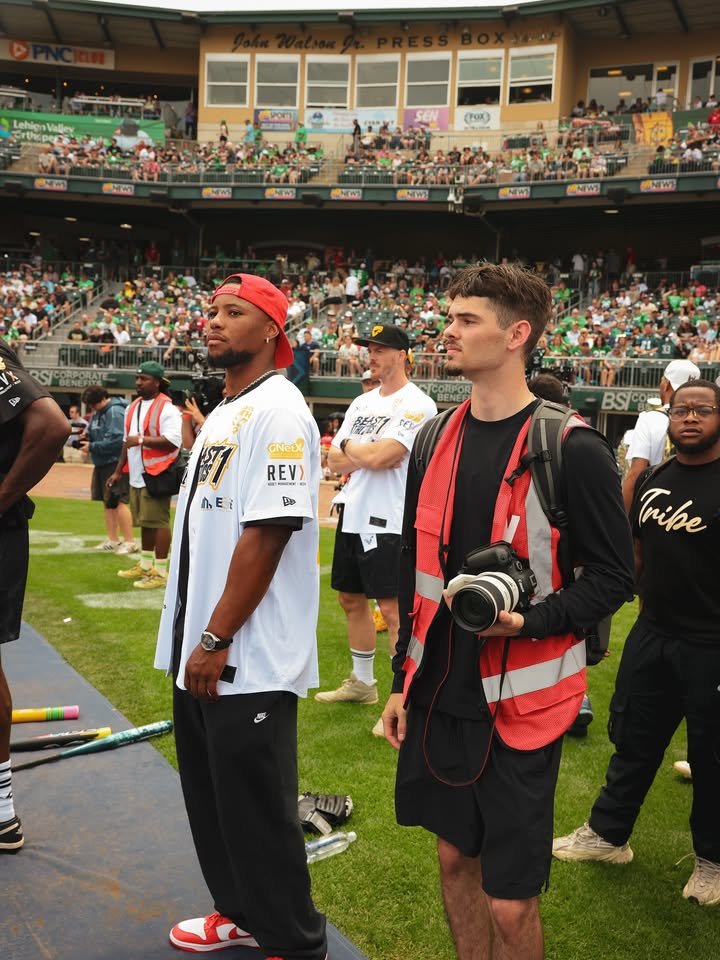
Panning photography is one of those techniques that looks effortless when it works and impossible when it does not. The subject stays sharp while the background stretches into streaks of motion, and the image feels alive instead of frozen. What most people never see is the pile of failed frames that came before the keeper. Understanding how to take panning photography is not about memorizing camera settings. It is about learning how to move with the moment instead of reacting to it.
I learned panning through sports, where hesitation costs you the frame and there is no chance to reset. Cleveland athletes move with intent and violence, cutting, accelerating, and changing direction without warning. Panning forces you to slow your mind while your body keeps up. When it clicks, the photograph stops being a record of motion and starts becoming an experience.
What panning photography really is
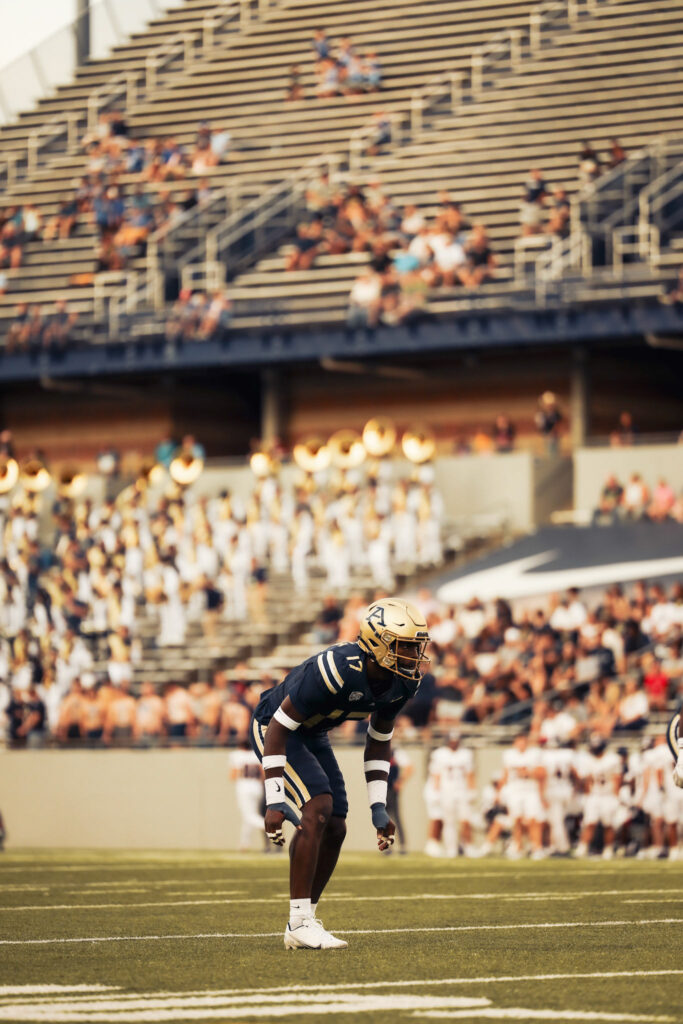
Panning photography works by matching the movement of your camera to the movement of your subject during a slower shutter speed. As the subject moves across the frame, your camera moves with it, keeping the subject relatively sharp while the background blurs. This contrast between sharpness and blur is what creates the feeling of speed. Understanding this relationship is the foundation of how to take panning photography, because once you understand what causes the effect, you stop guessing and start controlling it.
Panning works best when subjects move predictably from one side of the frame to the other. Athletes running routes, players driving down the court, cyclists, or vehicles all create ideal conditions. When a subject moves toward or away from you, the effect breaks down. Side-to-side motion is what allows the blur to stretch and communicate speed.
Shutter speed decisions based on real movement
There is no universal shutter speed for panning. The right choice depends on how fast your subject is moving, how close you are, and how long your lens is. When learning how to take panning photography, it is better to think in ranges instead of rules. Faster shutter speeds are more forgiving but produce less dramatic blur. Slower shutter speeds create stronger motion but demand precision.
For most sports movement, starting around 1/60 gives you a balance between sharpness and motion. As confidence grows, lowering the shutter speed increases the effect but also increases failure rate. The key is adjusting based on what you see in the frame, not blindly following numbers. If the background is not moving enough, slow down. If the subject is too soft, increase the shutter speed slightly and refine your movement.
Body mechanics matter more than camera settings
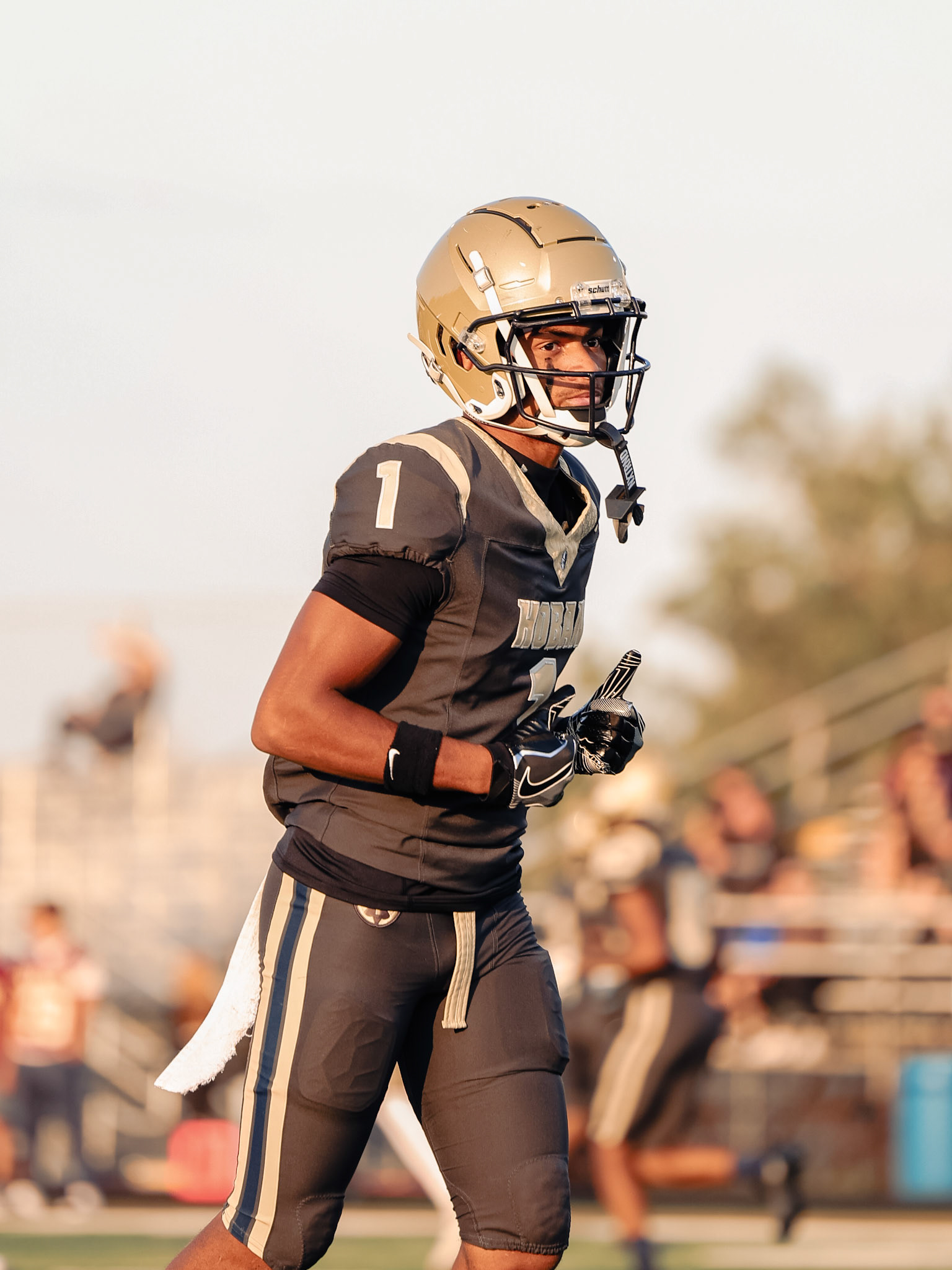
Panning exposes every weakness in how you physically handle the camera. Even perfect settings will fail if your movement is jerky or inconsistent. When practicing how to take panning photography, your body becomes part of the system. Stable footing, relaxed shoulders, and rotation through the hips create smooth motion.
Plant your feet shoulder-width apart and rotate your torso rather than swinging your arms. Keep your elbows in and your grip firm but not tense. Begin tracking the subject before pressing the shutter and continue moving after the exposure ends. Stopping at the moment of capture is one of the most common mistakes and almost guarantees motion blur on the subject.
Anticipation turns panning into a repeatable skill
Panning photography punishes reactive shooting. If you wait until the subject enters the frame, you are already late. Anticipation is what separates controlled panning from lucky accidents. Learning how to take panning photography means learning patterns, not chasing chaos.
Sports offer predictable movement if you pay attention. Routes repeat. Drills follow rhythm. Players accelerate at specific moments. Positioning yourself where movement unfolds cleanly allows you to focus on timing instead of panic. This approach is visible throughout the Sam Merrill Camp imagery, where anticipation and motion work together instead of fighting each other.
Autofocus and burst control for panning success
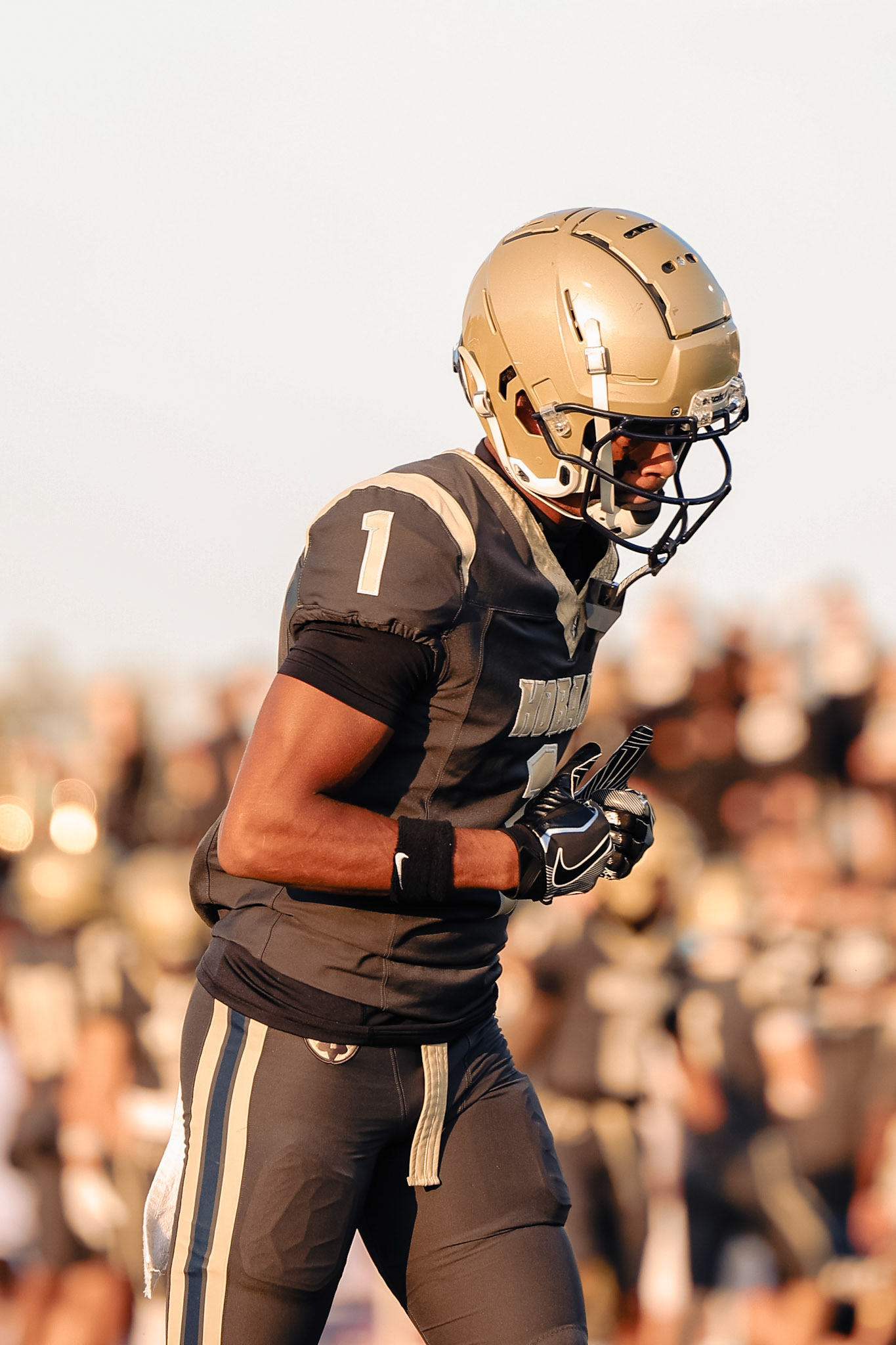
Autofocus can help or hurt panning depending on how it is used. Continuous focus modes are essential when subjects move across the frame, but uncontrolled bursts often create more problems than solutions. When dialing in how to take panning photography, controlled shooting produces better results than spraying frames.
Choose a focus point that stays predictable and keep it on the subject’s torso rather than the face. Short bursts help maintain rhythm and allow for small adjustments between frames. Panning is about timing, not volume. One well-timed exposure is more valuable than ten rushed attempts.
Background choice determines whether motion reads
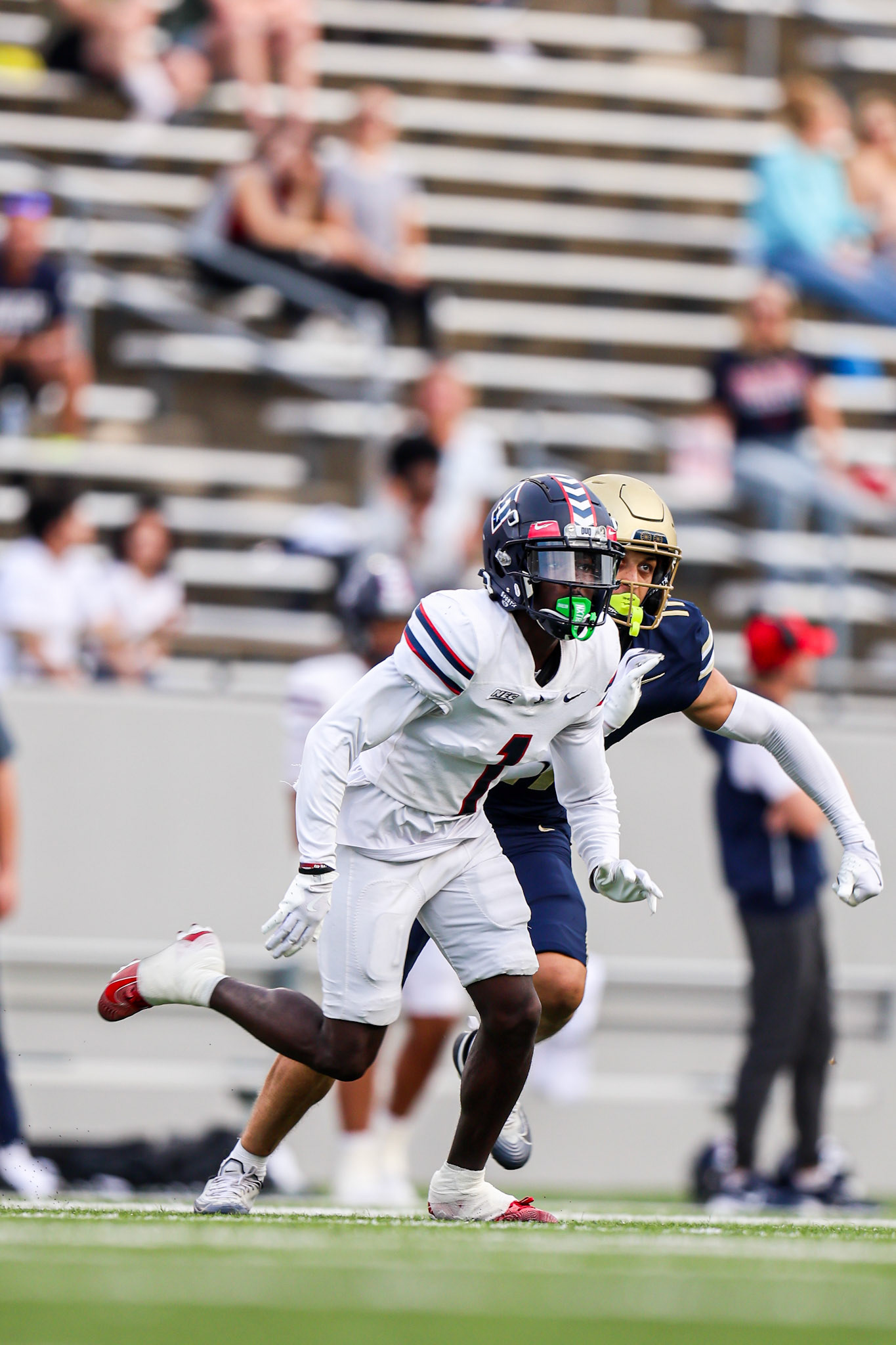
The background is what makes panning visible. Without texture or structure behind the subject, the motion has nothing to translate against. Fences, bleachers, signage, and crowds all turn movement into streaks that communicate speed. Understanding how to take panning photography means scouting backgrounds as carefully as you scout action.
During live sports and events, the environment constantly shifts. Finding angles where the background supports motion makes the technique feel intentional rather than accidental. This is clear in the Cleveland Browns Private Workout coverage, where controlled backgrounds amplify movement instead of distracting from it.
Failure is part of mastering panning
Panning photography has a low success rate, even for experienced shooters. That is not a flaw. It is the price of creating images that feel alive. Anyone serious about mastering how to take panning photography has to be comfortable deleting most of their attempts.
Each miss teaches timing, movement, or positioning. Over time, your hit rate improves, but the challenge never disappears completely. That tension is what keeps panning images from feeling mechanical.
Why panning matters in visual storytelling
Frozen frames show what happened. Panning frames show how it felt. Motion blur communicates effort, speed, and intensity in ways sharpness alone cannot. The relationship between camera movement and exposure time has long been central to how photography conveys motion, rooted in the mechanics of image formation.
In sports and events, panning adds emotion without sacrificing clarity. It pulls viewers into the action instead of keeping them at a distance.
What mastering panning photography gives you
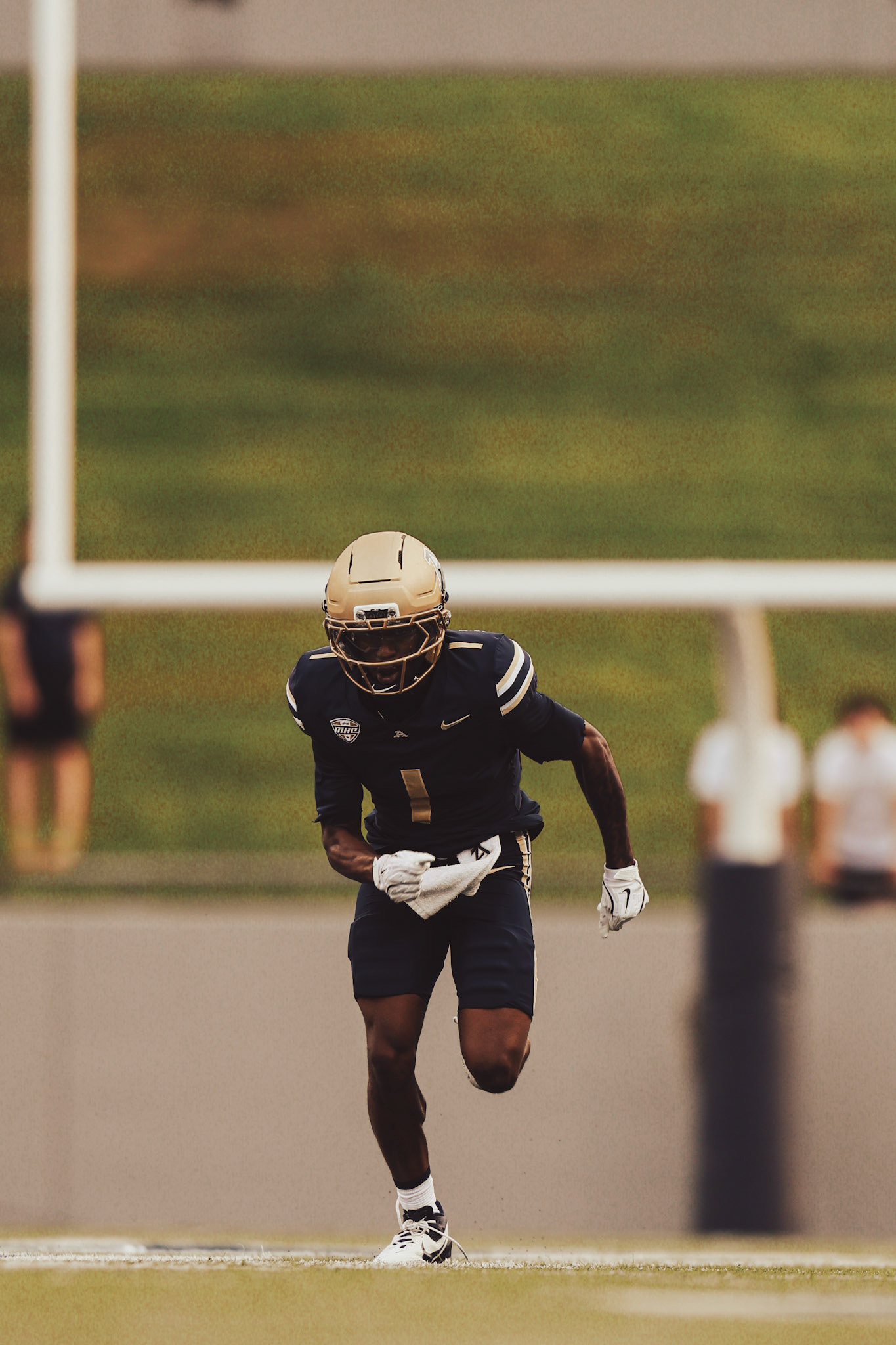
Once panning becomes natural, your entire approach to action photography changes. You stop relying purely on fast shutter speeds and start trusting timing and rhythm. Understanding how to take panning photography reshapes how you see motion across every genre.
If you want to see how movement, anticipation, and timing come together in real environments, explore the portfolio. If you are ready to capture energy and motion with intention, reach out through the contact page.