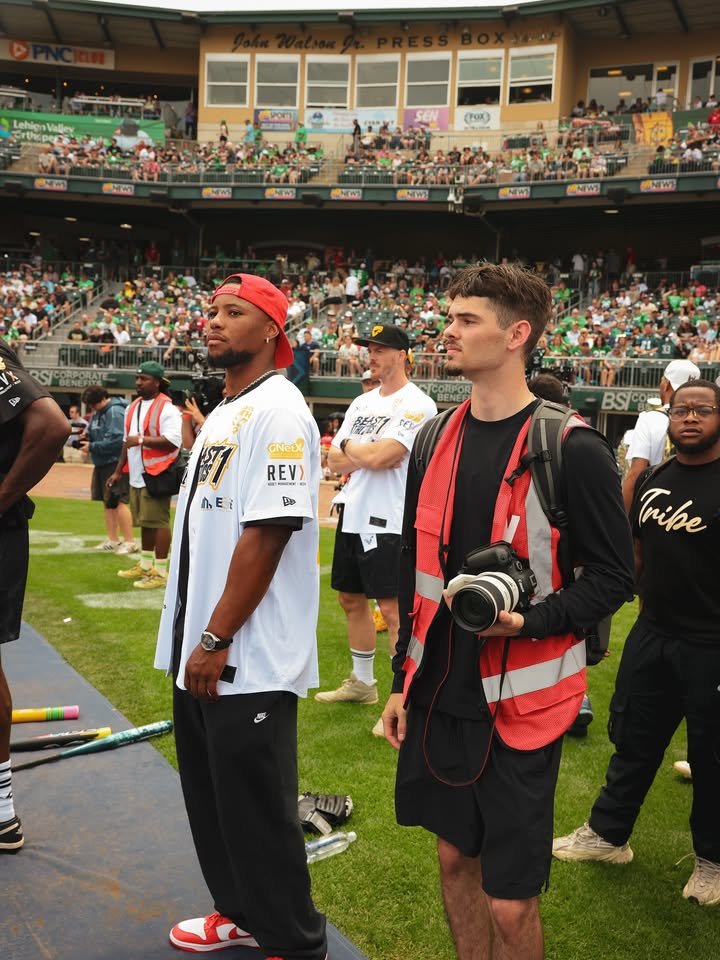
DSLR cameras were not designed with video as the primary goal. They were built to capture still images with precision, speed, and control. Yet over time, they became tools for filmmakers, athletes, and storytellers who wanted something different from traditional video cameras. That shift is why the question are DSLR cameras good for video continues to surface, even as newer systems dominate marketing headlines. The answer lives less in specifications and more in how these cameras behave when real moments unfold.
In sports, events, and behind-the-scenes storytelling, video does not happen in controlled studios. It happens in gyms with uneven lighting, on sidelines where movement never stops, and during moments that cannot be repeated. In those environments, a camera’s strengths and weaknesses reveal themselves quickly. DSLR video is not about convenience. It is about intention, discipline, and understanding how to work within limitations.
How DSLR cameras reshaped modern video aesthetics
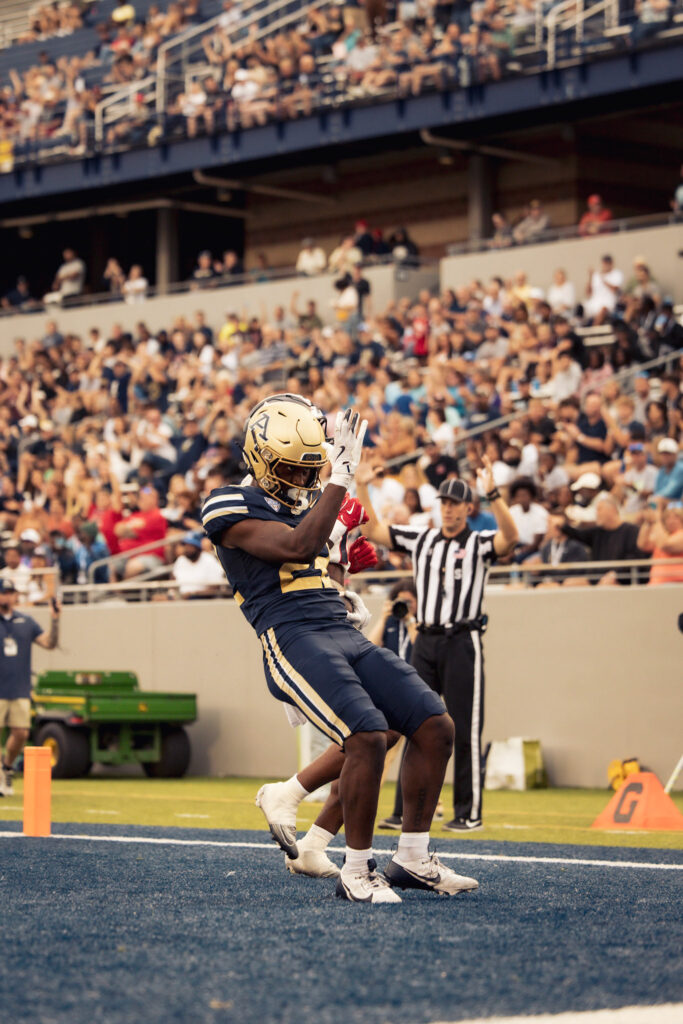
When DSLR cameras first introduced video recording, they changed how motion looked on screen. Large sensors allowed for shallow depth of field, creating separation between subject and background that previously required expensive cinema equipment. This aesthetic shift became foundational in sports features, athlete branding, and event storytelling. It is one of the main reasons people still ask are DSLR cameras good for video instead of dismissing them outright.
Interchangeable lenses brought character into video. Fast primes created intimacy. Telephoto lenses compressed scenes and isolated emotion. This flexibility allowed photographers to apply visual instincts from still photography directly to motion. Even today, much of the cinematic look associated with sports highlights and athlete profiles traces back to DSLR video capabilities.
Image quality remains a defining strength
In terms of raw image quality, DSLR cameras still hold their ground. Color depth, highlight roll-off, and low-light performance remain competitive, especially when paired with professional lenses. This matters in sports and event environments where lighting is rarely ideal and often changes without warning.
For short-form video such as athlete walk-ins, pre-game moments, interviews, and crowd reactions, DSLR footage often feels organic and grounded. The ability to control depth of field helps guide attention in cluttered environments, which is critical when the background is full of distractions. This is one of the strongest arguments behind answering yes to are DSLR cameras good for video in specific contexts.
Where DSLR cameras reveal their limitations
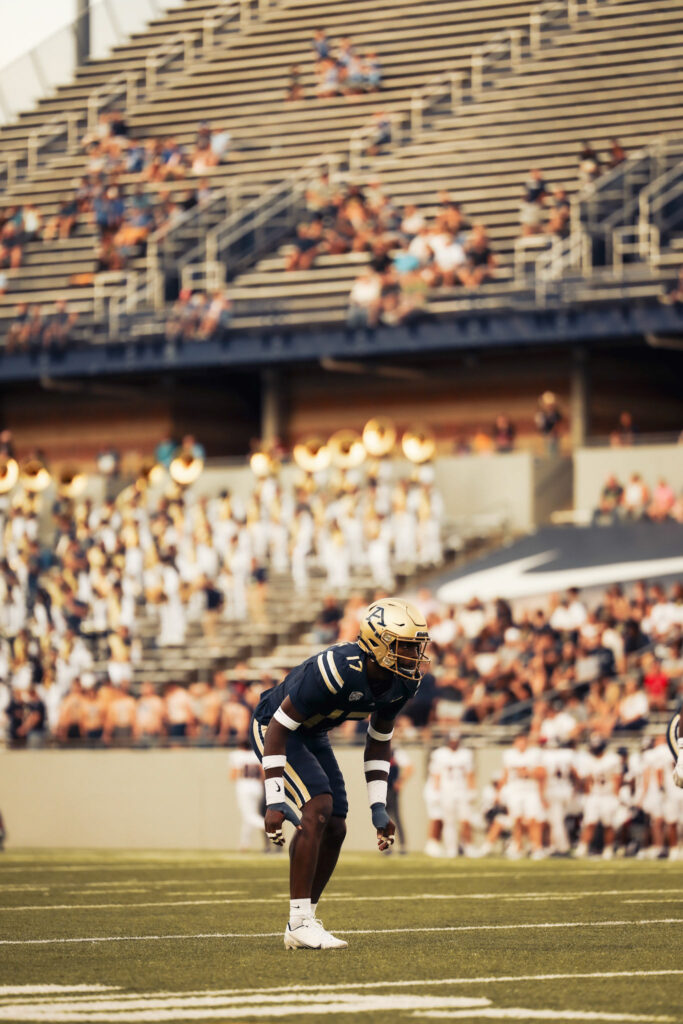
Despite their strengths, DSLR cameras were never engineered as video-first tools. Autofocus during video is one of the most common challenges. While still photography autofocus is fast and reliable, video autofocus can struggle to keep up with unpredictable movement, especially in sports. This limitation forces shooters to rely more heavily on manual focus and anticipation.
DSLRs also lack many video-centric features that modern mirrorless cameras offer, such as advanced stabilization, unlimited recording times, and highly compressed codecs. These limitations do not make DSLR video unusable, but they raise the skill threshold. This is where the question are DSLR cameras good for video becomes less about the camera and more about the person using it.
Why DSLR video demands intention and discipline
Shooting video on a DSLR forces a different mindset. You cannot rely on automation to solve problems mid-shot. Focus, composition, and exposure must be considered deliberately. For some shooters, this is a disadvantage. For others, it is the reason DSLR video still feels powerful.
In controlled environments such as athlete interviews, promotional content, or branded storytelling, this slower, more intentional approach aligns perfectly with the goal. You choose focus with purpose. You frame with restraint. You allow moments to unfold instead of chasing them. This is why experienced shooters often still answer positively when asked are DSLR cameras good for video.

Audio and handling in real-world environments
Audio is one area where DSLR cameras clearly show their photographic roots. Built-in microphones are rarely sufficient for professional work, making external microphones or recorders essential. Handling can also be challenging during long takes, as DSLR bodies are not ergonomically designed for extended video use.
These challenges are manageable with experience and preparation. Many professionals build simple rigs to improve stability and audio capture. The question becomes whether the resulting image quality and visual control justify the extra effort. In many sports and event scenarios, the answer is yes.
Using DSLR video alongside still photography
One of the most practical advantages of DSLR video is its role in hybrid workflows. Many photographers cover sports and events with both stills and short video clips. Switching between photo and video without changing systems allows for consistency in visual style and pacing.
Behind-the-scenes clips, athlete warmups, crowd reactions, and environmental details rarely require complex autofocus or long recording times. They require timing and awareness. This approach is visible throughout the Austin Rayman Photography portfolio, where still images and motion work together to tell a complete story.
How mirrorless competition changed expectations
Mirrorless cameras have shifted expectations by offering faster autofocus, in-body stabilization, and video-first features. This has changed how DSLR video is evaluated. Today, when people ask are DSLR cameras good for video, they are often comparing them to mirrorless systems rather than traditional video cameras.
In that comparison, DSLRs can feel limited. However, limitations do not equal irrelevance. They define how and where a tool performs best. DSLR cameras remain capable of producing compelling video when used within their strengths and paired with thoughtful shooting techniques.
Real-world sports and event use
In live sports and events, video is often captured in short bursts rather than extended takes. This is where DSLR video still fits naturally. Athlete entrances, bench reactions, and transitional moments benefit more from timing and composition than from technical automation.
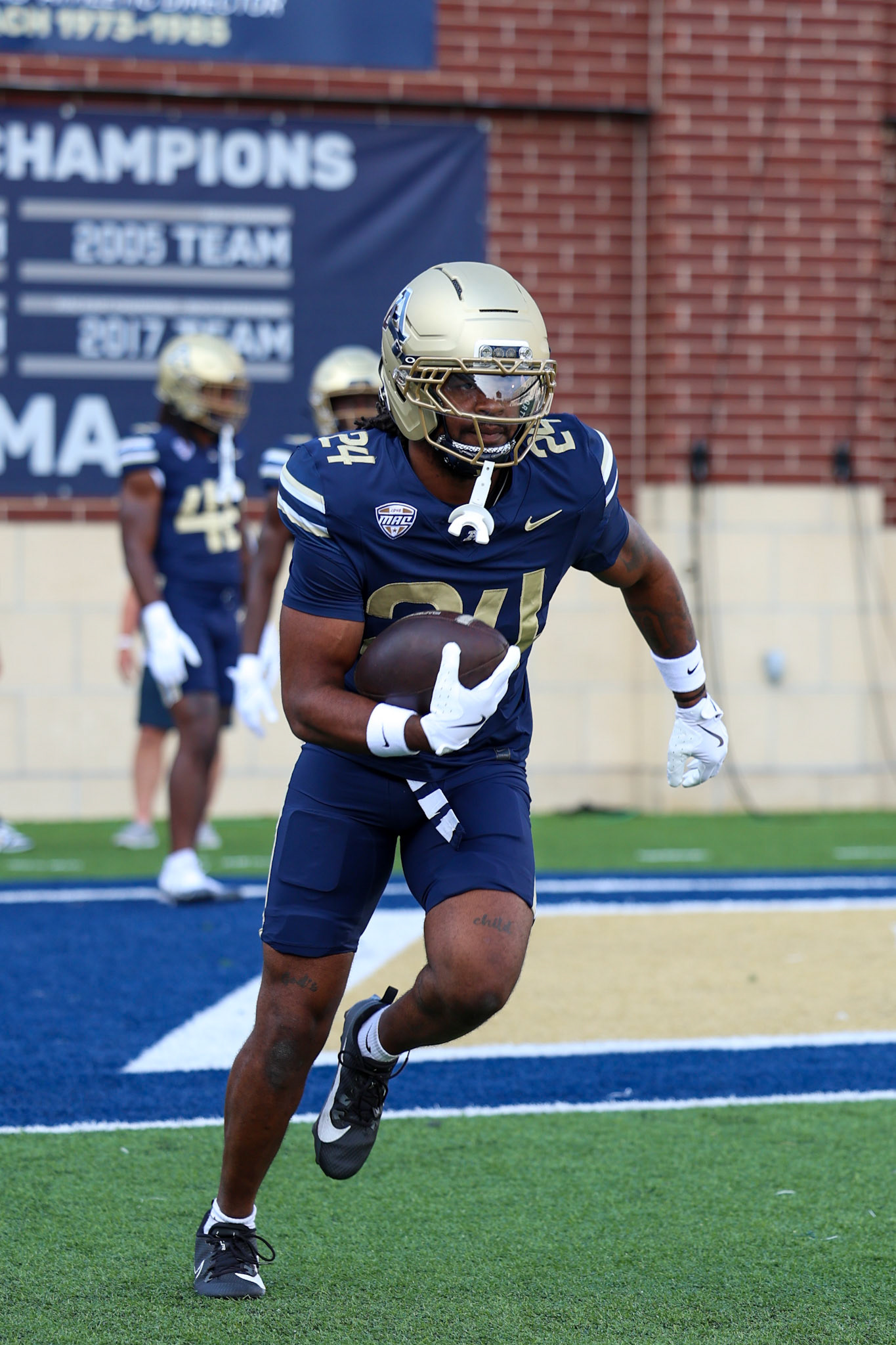
In fast-paced environments like training camps and private workouts, stills and short video clips often coexist. The ability to move seamlessly between both without changing gear helps maintain focus on the story rather than the equipment. This hybrid approach is reflected in coverage such as the Akron Zips Game, where atmosphere matters as much as action.

So are DSLR cameras good for video in practice
The honest answer to are DSLR cameras good for video is that they are good when used intentionally. They are not forgiving tools, nor are they designed to automate creativity. They reward preparation, timing, and discipline. For photographers and creators who value image quality, control, and storytelling over convenience, DSLR video remains relevant. The camera does not define the story. The person behind it does.
If you want to see how stills and motion work together in real sports and event environments, explore the portfolio. If you are planning a project that blends photography and video with intention and experience, reach out through the contact page.