The difference between DSLR and mirrorless cameras does not reveal itself in a studio or on a spec sheet. It shows up in environments where moments move faster than thought and decisions have to be instinctive. When photographers ask what is difference between DSLR and mirrorless camera, they are usually trying to understand how each system behaves when pressure replaces planning. Cameras are not neutral tools. They shape how you move, how you anticipate, and how present you remain when the moment refuses to slow down.
Working across sports fields, gyms, and live events in Cleveland has a way of stripping the conversation down to what actually matters. Athletes do not wait for autofocus confirmation. Lighting does not pause while you adjust settings. Crowds do not quiet down so you can think. In those conditions, the camera system in your hands directly influences your ability to stay connected to the action instead of reacting late.
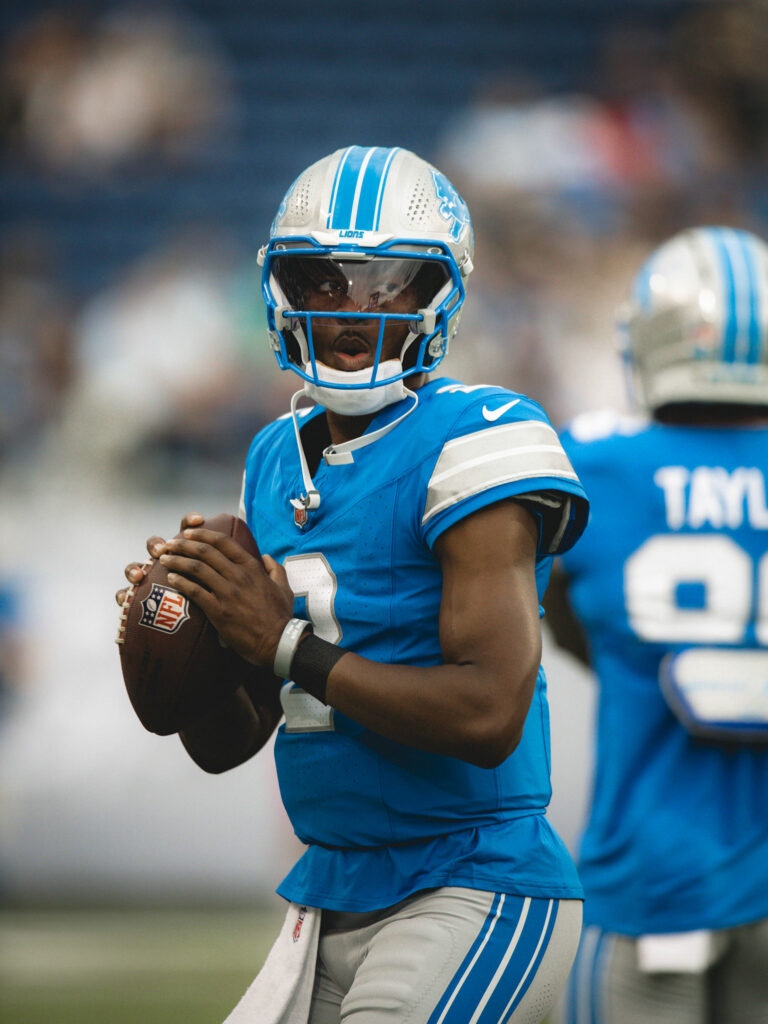
The core design difference that shapes how you shoot
At the heart of what is difference between DSLR and mirrorless camera is how each system handles light before the image is captured. A DSLR uses a mirror mechanism that reflects light up into an optical viewfinder, giving you a direct view of the scene through the lens. When the shutter is pressed, the mirror flips up and the sensor records the image. This mechanical process creates a shooting experience grounded in physical timing and anticipation, where what you see is reality as it exists in that exact moment.
Mirrorless cameras remove the mirror entirely and send light straight to the sensor, displaying a digital preview through an electronic viewfinder. What you see is a processed interpretation of the scene, adjusted in real time for exposure and color. This difference changes how photographers respond to light, especially in environments where lighting shifts quickly. The design philosophies behind these systems are rooted in long-established principles of camera construction, but the impact is felt most when instinct matters more than calculation.
Viewfinder experience and connection to the moment
The viewfinder is more than a way to frame a shot. It is the photographer’s connection to timing. Optical viewfinders in DSLR cameras offer an uninterrupted view of reality with no digital lag or interpretation. For sports photography, this immediacy builds trust. When tracking fast movement, knowing that what you see is exactly what is happening can make the difference between pressing the shutter on time or half a beat late.
Electronic viewfinders in mirrorless cameras provide a different kind of confidence. Seeing exposure, white balance, and contrast before capturing the image can reduce uncertainty in difficult lighting, such as indoor gyms or night events. The trade-off is relying on a digital feed that some photographers find less intuitive during rapid action. Understanding what is difference between DSLR and mirrorless camera includes recognizing how each viewfinder affects rhythm and decision-making under pressure.
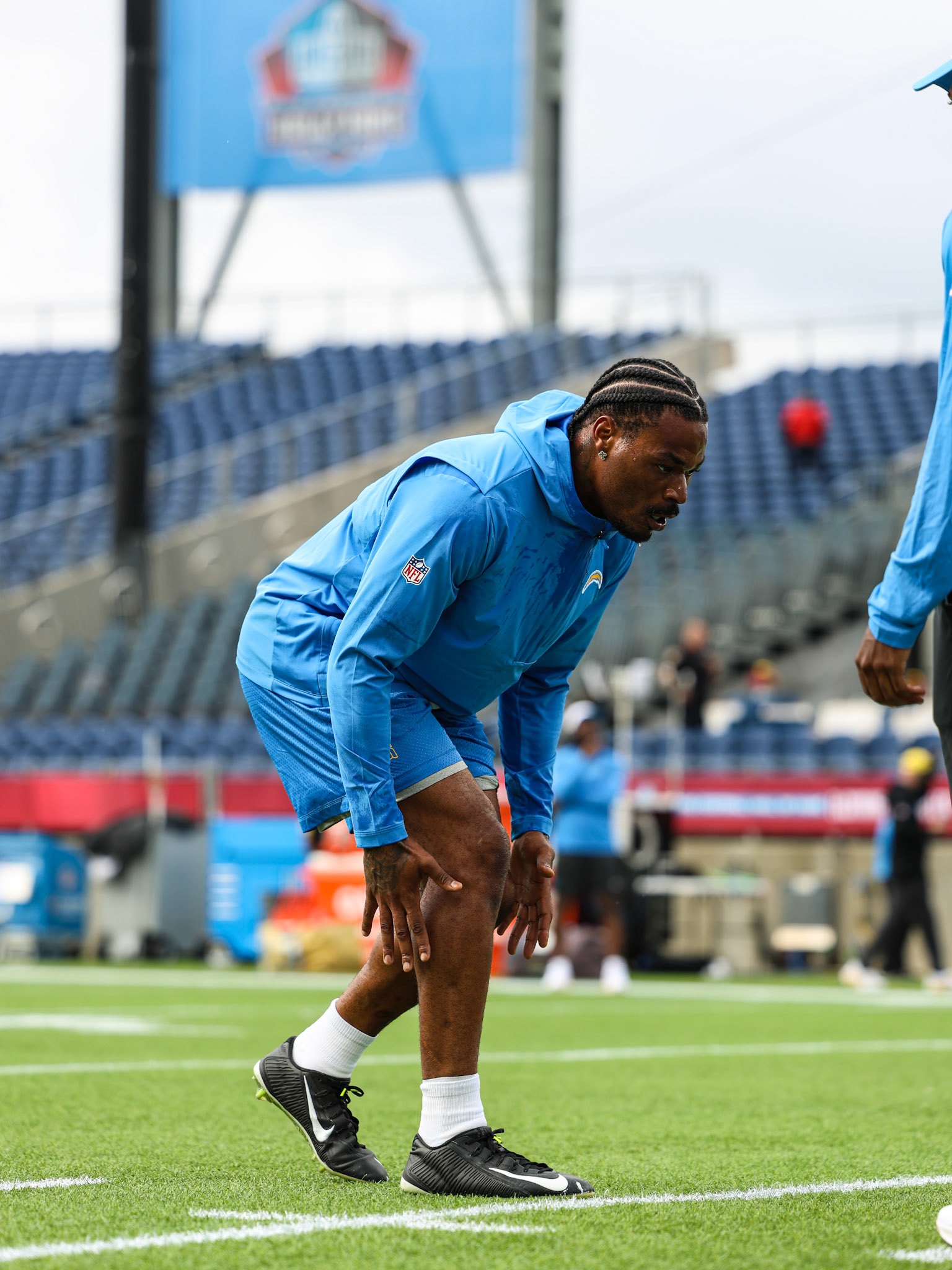
Autofocus behavior under real sports pressure
Autofocus performance is often reduced to speed, but in real environments predictability matters just as much. DSLRs earned their reputation through reliable phase-detection autofocus systems that perform consistently when tracking motion through an optical viewfinder. This reliability is why DSLRs remained dominant in professional sports coverage for so long.
Mirrorless cameras use on-sensor autofocus systems that cover more of the frame and enable advanced tracking features. These systems excel in portraits and controlled situations, but their behavior during chaotic motion can feel different. In high-speed environments like training camps or live drills, consistency across hundreds of frames matters more than headline features. This becomes clear when reviewing coverage such as the Pro Football Hall of Fame Game, where dependable tracking across long sequences defines success.
Physical balance and endurance over long shooting days
One of the most overlooked aspects of what is difference between DSLR and mirrorless camera is how each system feels after hours of shooting. Mirrorless bodies are often lighter, which can reduce fatigue initially, but that advantage can disappear once large lenses are attached. The balance of the system affects stability, especially during long handheld sessions.
DSLRs tend to offer better balance with heavier lenses due to their larger bodies and deeper grips. This stability reduces strain over time and allows photographers to stay consistent deep into long events. Comfort directly influences endurance, and endurance influences consistency. When the day runs long, small ergonomic differences become significant.
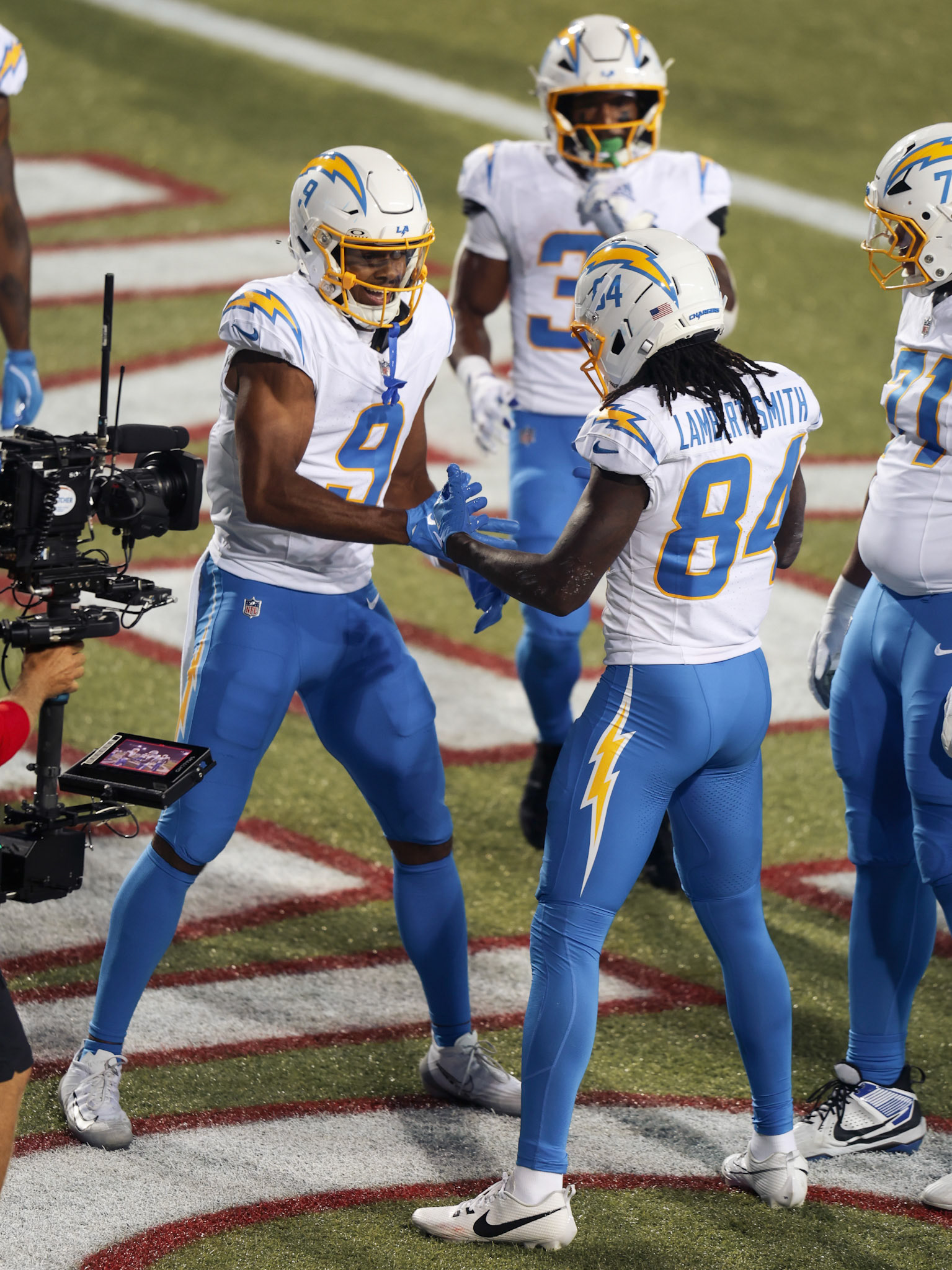
Battery life and operational reliability
Battery life remains a practical strength of DSLR systems. Optical viewfinders consume very little power, allowing cameras to operate for extended periods without interruption. In sports and event environments where charging opportunities are limited, this reliability removes one more variable from the equation.
Mirrorless cameras require more power because the sensor and electronic viewfinder are constantly active. While battery technology continues to improve, mirrorless shooters often carry multiple batteries to ensure uninterrupted coverage. This trade-off is a real part of what is difference between DSLR and mirrorless camera when reliability matters more than convenience.
Lens ecosystems and long-term investment
DSLR systems benefit from decades of lens development, offering deep and proven ecosystems. Many professionals already own collections of lenses that continue to deliver excellent results. Mirrorless systems are expanding rapidly, but long-term investment decisions often come down to existing gear and familiarity rather than trend cycles.
The optical principles that govern lens performance have remained consistent throughout the evolution of photographic imaging. The system that best supports your workflow and instincts will always matter more than the one that appears most modern.
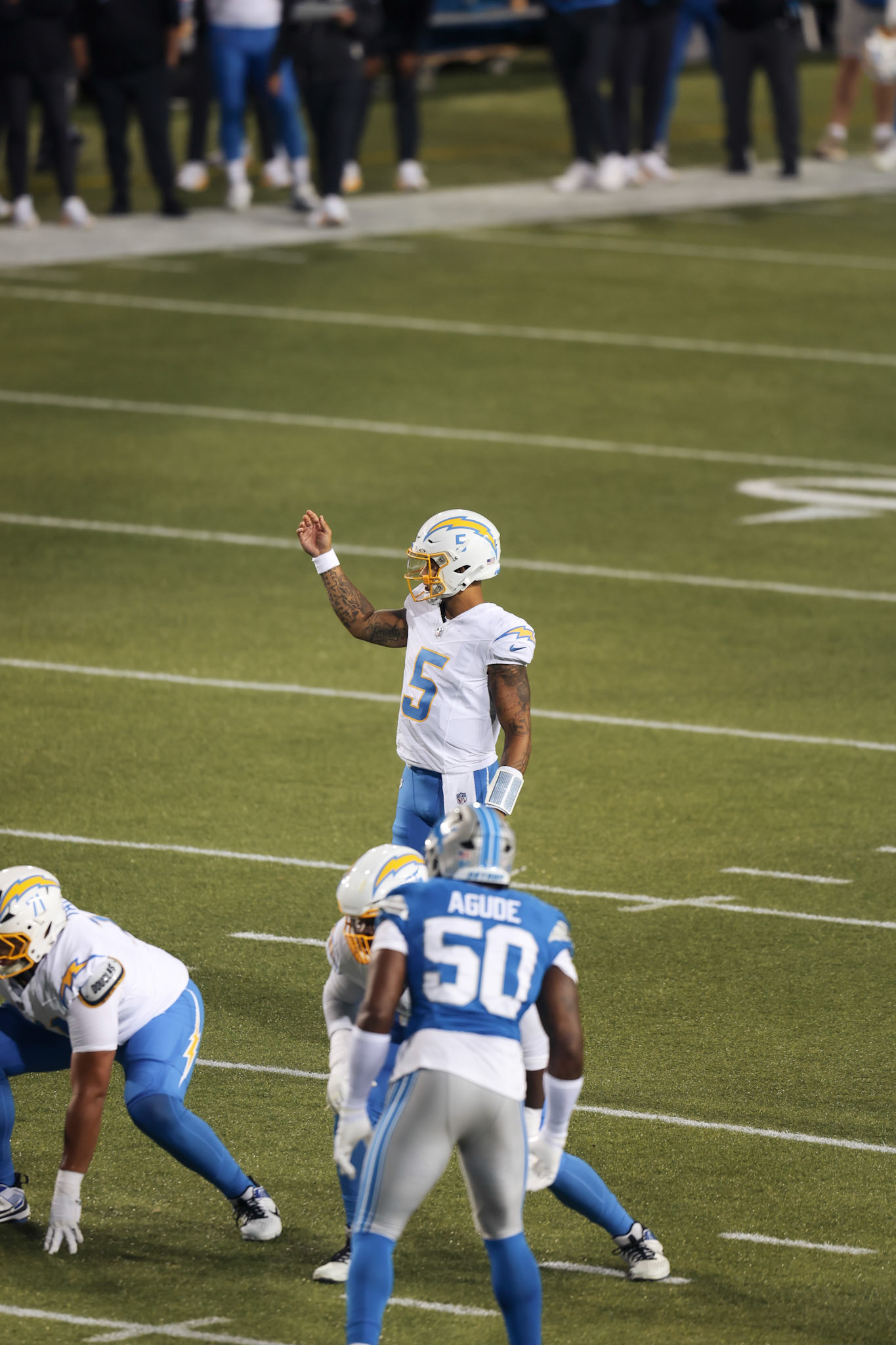
What the difference really means when the moment matters
When photographers ask what is difference between DSLR and mirrorless camera, they are ultimately asking which system will stay out of the way when pressure takes over. DSLRs offer optical clarity, endurance, and predictable behavior across long stretches of action. Mirrorless cameras offer real-time feedback, flexible focus tools, and adaptability in changing light. Neither system replaces the other. They support different instincts behind the camera.
You can see this play out across real coverage in the Austin Rayman Photography portfolio, where sports, portraits, and events demand awareness more than allegiance to a system. The right choice is the camera that allows you to stay present, anticipate movement, and deliver consistently under pressure. If you are planning coverage that demands that level of reliability and experience, reach out through the contact page.