The question comes up constantly, especially from athletes, parents, and organizations watching photographers work on the sidelines. They see different cameras in different hands and want a simple answer. Which is better DSLR or mirrorless. It sounds like a comparison that should end with a winner, but real photography rarely works that way. The answer is shaped by pressure, environment, and the kind of moments you are responsible for capturing.
In real sports and event environments, gear choices are rarely about trends. They are about trust. When moments move fast and conditions refuse to cooperate, the camera in your hands has to disappear so you can stay present. Understanding which is better DSLR or mirrorless means understanding how each system behaves when theory turns into reality.

Why the better camera depends on the moment, not the market
On paper, mirrorless cameras appear to have overtaken DSLRs with newer features, lighter bodies, and advanced autofocus tools. That narrative makes sense in reviews and launch announcements, but the field tells a more nuanced story. When you are standing courtside or tracking athletes through drills, the question of which is better DSLR or mirrorless becomes less about innovation and more about reliability under stress.
DSLRs earned their reputation in environments where predictability mattered more than automation. They were built to handle long days, heavy lenses, and sustained bursts of action. Mirrorless systems offer flexibility and real-time feedback, but that flexibility introduces a different rhythm. The better system is the one that aligns with how you work when time disappears.
Sports photography exposes the real strengths of each system
Sports photography has a way of exposing weaknesses quickly. Athletes do not repeat plays for your benefit. Lighting changes mid-action. Crowds block clean angles without warning. In these conditions, DSLRs still hold ground because of their optical viewfinders, dependable autofocus behavior, and strong battery life. This is why the question which is better DSLR or mirrorless continues to be debated rather than settled.
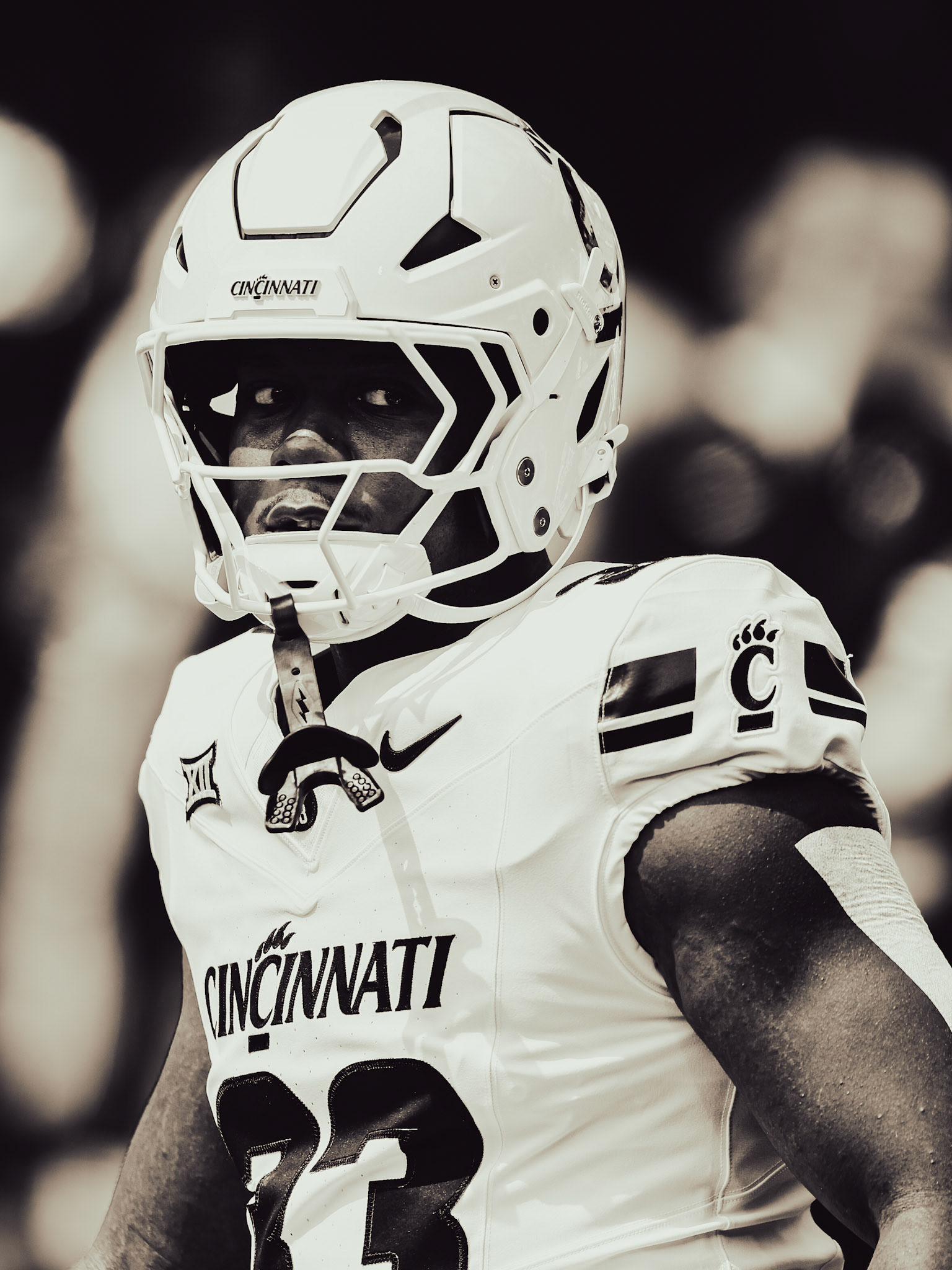
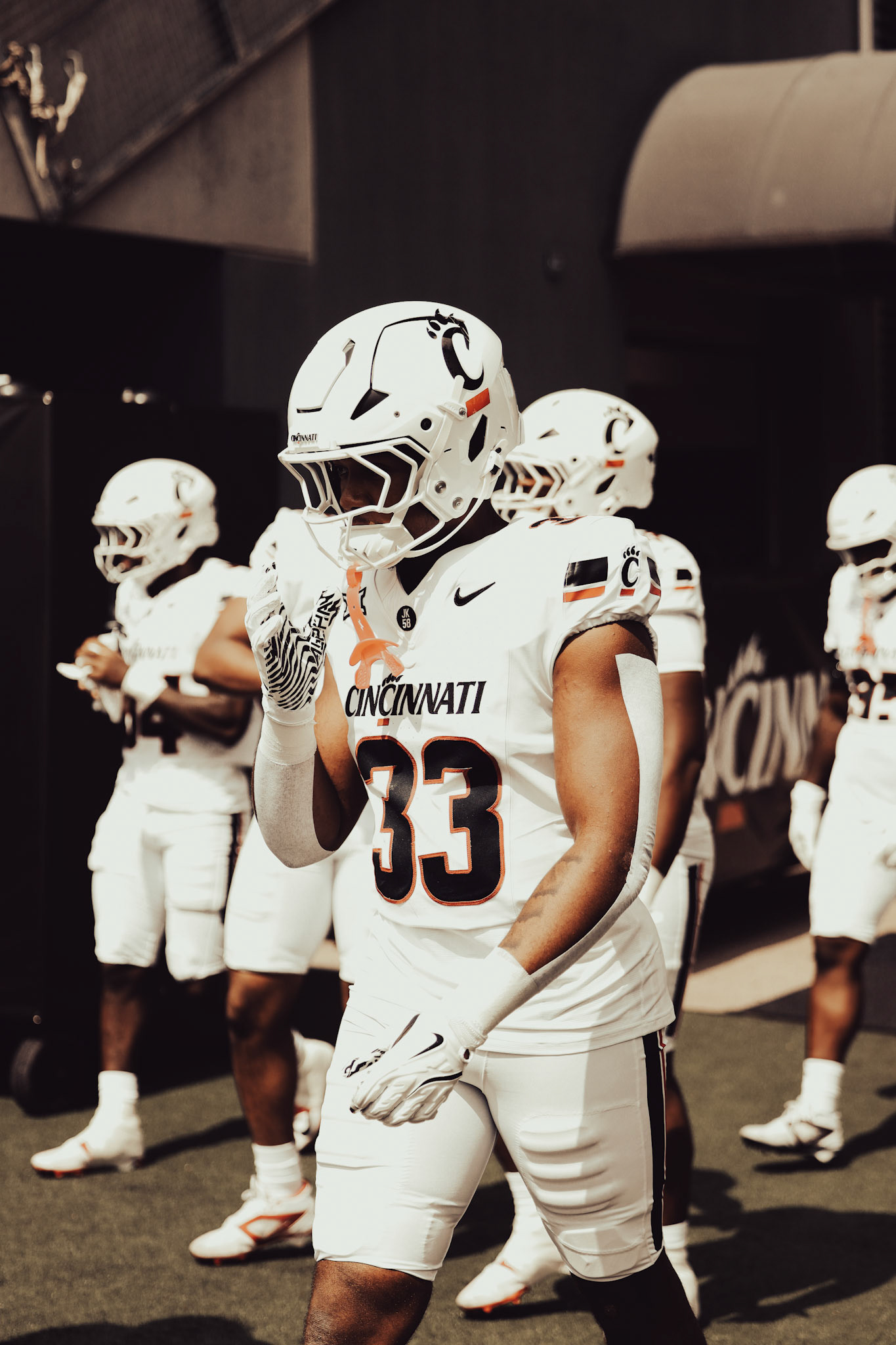
During high-speed coverage like the Cincinnati Bearcats Game, consistency across hundreds of frames matters more than advanced features. DSLRs deliver a direct connection to the action that many photographers trust when timing is unforgiving. Mirrorless systems perform well too, but their strengths show differently, often favoring situations where real-time exposure feedback provides an advantage.
Mirrorless cameras shine in adaptability and feedback
Mirrorless cameras bring a different kind of confidence to the table. Seeing exposure, color balance, and contrast before pressing the shutter reduces uncertainty in difficult lighting. Indoor gyms, mixed lighting, and night events benefit from this immediate feedback. For photographers who thrive on adjustment rather than anticipation, mirrorless systems can feel empowering.
This adaptability influences how photographers answer which is better DSLR or mirrorless. In controlled environments or situations where lighting shifts constantly, mirrorless cameras allow quicker adjustments without breaking concentration. That advantage is real, but it comes with a trade-off in battery life and long-term endurance.
Handling and balance affect endurance more than specs
One of the most overlooked factors in deciding which is better DSLR or mirrorless is how the camera feels after hours of shooting. Mirrorless bodies are smaller and lighter, which can reduce initial fatigue, but pairing them with fast telephoto lenses often shifts the balance forward. Over time, this imbalance can introduce strain.
DSLRs tend to balance better with larger lenses due to their size and grip depth. This stability matters during long events, where physical comfort affects concentration. A camera that feels good in the first ten minutes may feel very different after three hours on the sideline.
Battery life and reliability during long events
Battery life remains a practical advantage for DSLR systems. Optical viewfinders consume minimal power, allowing photographers to work longer without interruption. In live sports and events where charging is not an option, this reliability simplifies workflow and reduces stress.
Mirrorless cameras require more frequent battery changes because sensors and electronic viewfinders remain active. While this is manageable with preparation, it adds another layer of logistics. When evaluating which is better DSLR or mirrorless, reliability often outweighs convenience in professional settings.
Lens ecosystems and investment realities
DSLR systems benefit from decades of lens development. The lens ecosystems are mature, diverse, and proven. Many professionals have built careers using DSLR lenses that continue to deliver consistent results. Mirrorless systems are expanding quickly, but long-term investment decisions are rarely made in isolation from existing gear.
The optical principles behind lens performance have remained consistent throughout the history of photographic optics. What changes is how those lenses are used. The system that best supports your workflow will always matter more than novelty.
Events and portraits reveal a different balance
In event photography, discretion, adaptability, and endurance all play a role. Mirrorless cameras offer silent shooting, which can be valuable during ceremonies or quiet moments. DSLRs offer familiarity and reliability during long coverage windows. Portrait photography benefits equally from both systems, with mirrorless offering precision focus and DSLRs offering a more traditional shooting experience.
This balance is visible across the Darius Garland Celebrity Softball Game coverage, where fast-paced action and controlled moments coexist. The choice of system matters less than the photographer’s ability to adapt.
So which is better DSLR or mirrorless in real practice
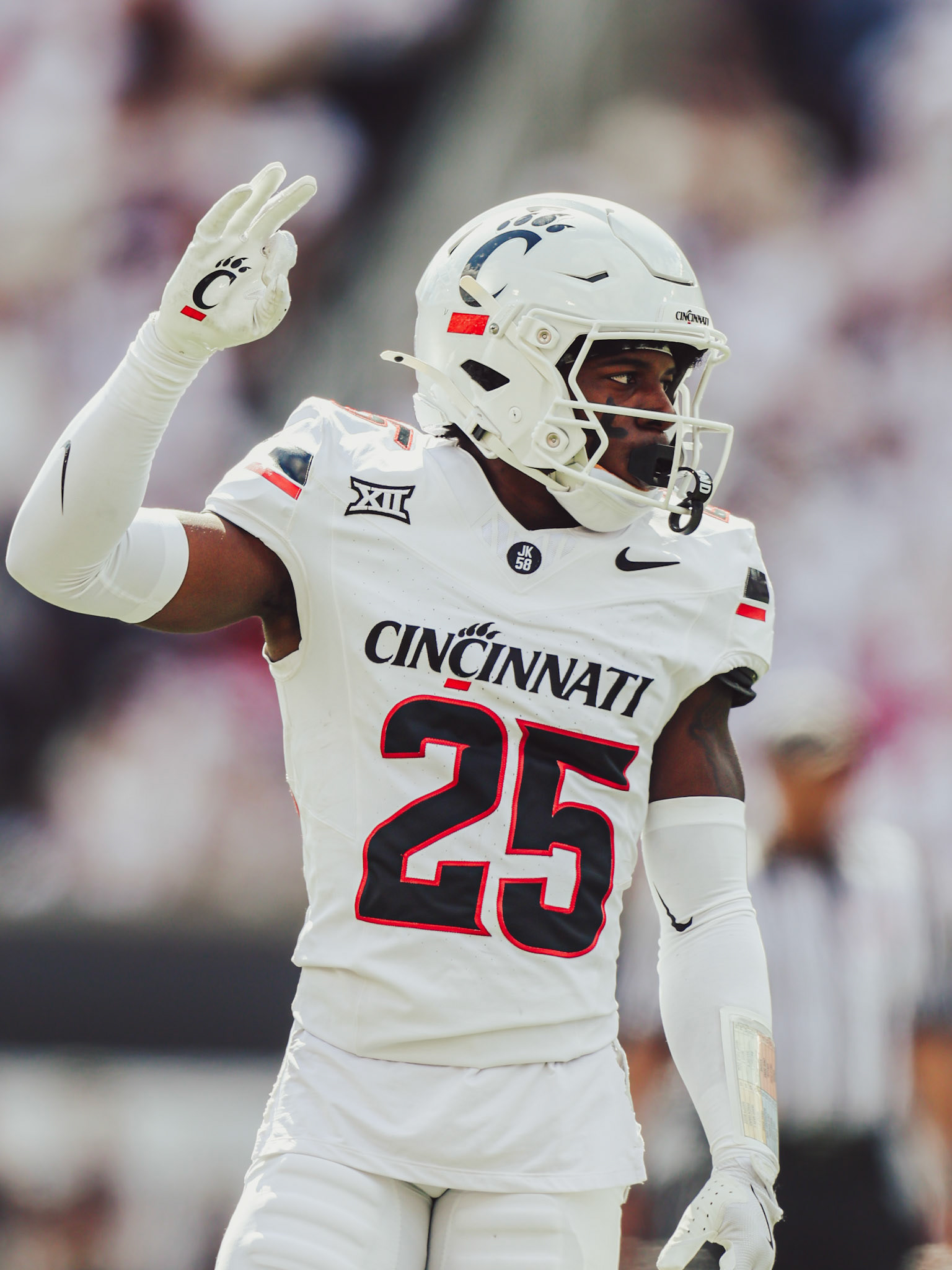
The honest answer to which is better DSLR or mirrorless is that neither system wins outright. Each supports a different way of working. DSLRs reward anticipation, endurance, and trust in muscle memory. Mirrorless cameras reward adaptability, feedback, and precision adjustments. The better camera is the one that allows you to stay present and consistent when moments do not slow down.
You can see how different tools serve the same goal across the Austin Rayman Photography portfolio, where sports, portraits, and events demand awareness more than allegiance to gear. If you are planning coverage and want guidance rooted in experience rather than trends, connect through the contact page.